

The transportation and logistics industry is one of the most vital sectors of global trade, moving millions of tons of goods around the world every day. The container, as the primary tool for cargo transport, plays a central role in this process. However, before a container departs and after it reaches its destination, two critical operations must take place: stuffing (loading goods into the container) and stripping (unloading goods from the container). These two processes are not only essential for the speed and accuracy of transportation but also directly affect cargo integrity, damage reduction, and cost management.
Stuffing (Loading Goods)
Stuffing refers to the loading of various goods into a container. This stage is one of the most sensitive parts of the transportation process because improper loading can damage the cargo—or even the container itself. Proper stuffing takes into account the following principles:
- Selecting the right type of container for the cargo: Using refrigerated containers for temperature-sensitive products, tank containers for liquids or gases, and standard or open-top containers for general cargo.
- Correct cargo arrangement: Ensuring even weight distribution inside the container to prevent imbalance during transit.
- Cargo protection: Utilizing pallets, bubble wrap, straps, or wooden blocks to prevent shocks and movement.
- Adhering to international loading standards: Ensuring container acceptance by shipping lines and preventing customs issues.
- Monitoring permissible capacity: Avoiding overloading or underloading, which could compromise transport safety.
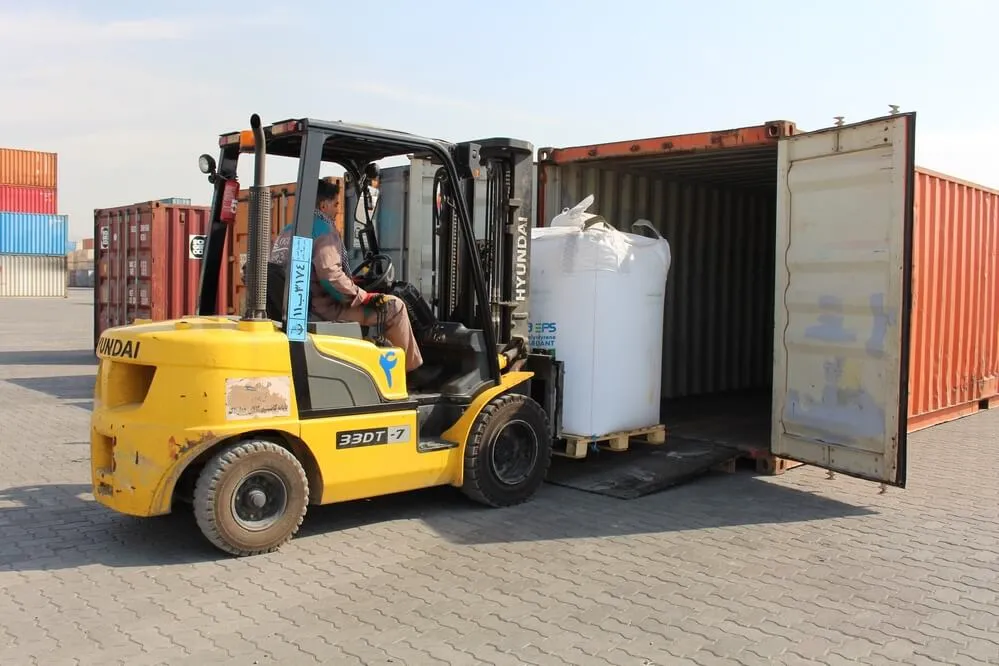
Stripping (Unloading Goods)
Stripping is the process of unloading goods from a container. This stage must be carried out with precision and efficiency to deliver cargo intact to its destination. Key considerations during stripping include:
- Initial container inspection: Checking seals and locks to ensure cargo security throughout the journey.
- Safe cargo unloading: Removing goods using appropriate equipment such as forklifts, cranes, or trained personnel.
- Preventing damage to goods: Following safety procedures and proper handling methods during unloading.
- Cargo sorting and counting: Verifying the quantity and type of goods against shipping documents to prevent discrepancies.
- Container cleaning after unloading: Preparing the container for reuse.
The Importance of Proper Stripping and Stuffing
Correct execution of these two processes plays a crucial role in managing time and costs within the supply chain. Mistakes in stuffing can lead to cargo damage or container rejection at border points. Similarly, carelessness in stripping may result in cargo damage or workplace accidents. Therefore, stripping and stuffing should always be performed by skilled teams using appropriate equipment.
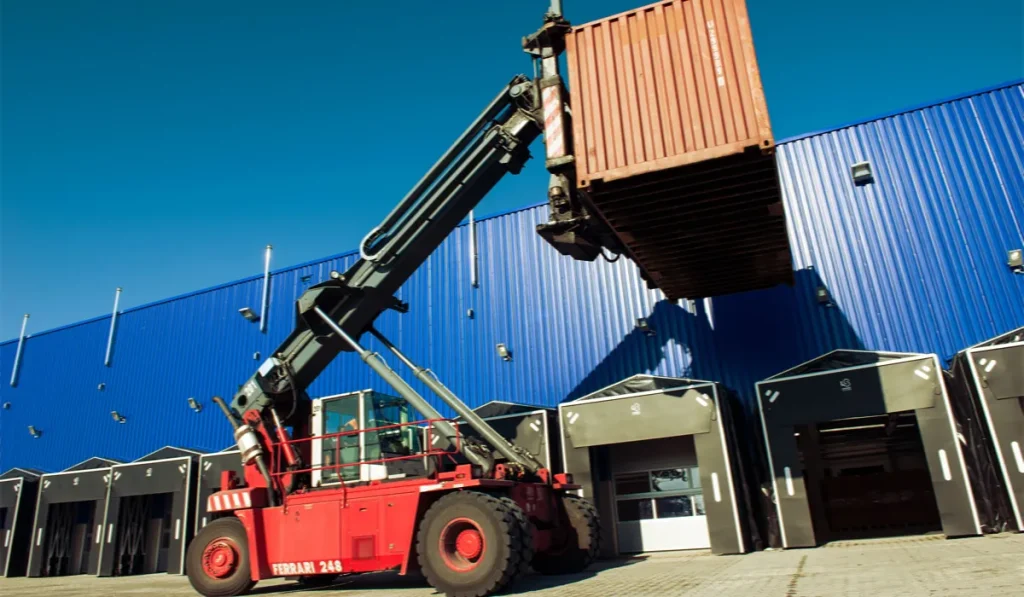
Stripping and Stuffing Services for Various Types of Cargo
The services offered in this area cover a wide range of operations designed for different types of goods, including:
- Loading and unloading general cargo such as raw materials, household goods, or industrial products.
- Handling fragile and sensitive goods with specialized packaging and protection.
- Stuffing and stripping bulk cargo using specialized containers.
- Loading and unloading refrigerated goods while controlling temperature conditions.
- Stuffing and stripping tank containers containing liquids or chemicals.
- Complete supervision and management of cargo counting during loading and unloading.
Benefits of Proper Stripping and Stuffing
- Preserving cargo integrity and minimizing potential damage.
- Increasing loading and unloading efficiency.
- Reducing operational costs and preventing unnecessary delays.
- Enhancing worker and workplace safety.
- Complying with international transportation standards.
- Ensuring shippers’ confidence in the accuracy and safety of their goods.
Conclusion
Stripping and stuffing are two fundamental operations in container management, playing a vital role in the efficiency and success of transportation. Executing these processes correctly and according to standards not only preserves cargo quality but also saves time and costs while boosting supply chain productivity. For these reasons, stuffing and stripping of all types of goods should always be performed by experienced teams following global standards.