

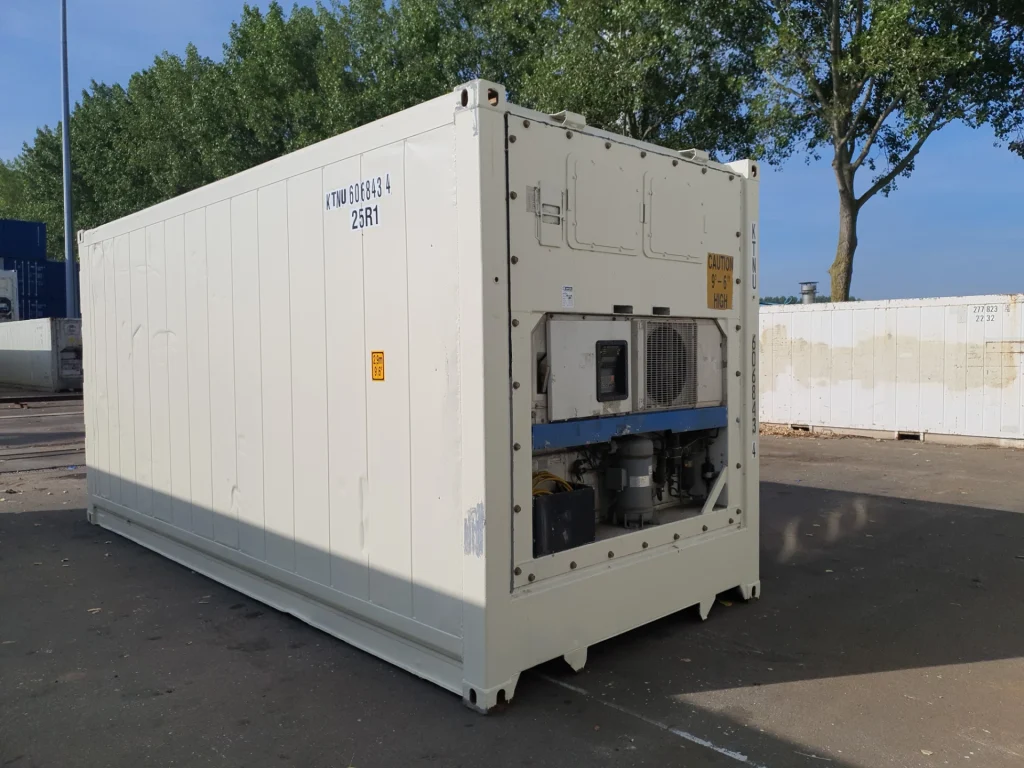
Reefer containers, or refrigerated containers, are among the most critical assets in maritime, land, and rail transportation. They are specifically designed for transporting temperature-sensitive goods such as fresh food, proteins, fruits and vegetables, pharmaceuticals, vaccines, and certain chemicals. Since the quality of these products depends directly on precise temperature control, even minor disruptions in the cooling system can result in significant financial and reputational losses. Therefore, regular maintenance and servicing of reefer containers is a top priority for logistics and transportation companies.
Importance of Reefer Container Maintenance
Reefer containers rely on a complex system of mechanical, electrical, and electronic components. A failure in any part can compromise the entire system. For example, a malfunctioning compressor can disable the cooling system, while leaks in seals can lead to increased energy consumption and temperature fluctuations inside the container. Continuous maintenance and periodic inspections prevent such issues and extend the container’s operational life.
Additionally, regular servicing reduces unnecessary costs. Identifying minor faults early is far less expensive than addressing major failures after a breakdown. Proper maintenance also provides peace of mind to cargo owners, ensuring that product quality is preserved until delivery.
Reefer Container Maintenance Services
Maintenance and servicing of reefer containers involve precise, specialized procedures conducted periodically or prior to loading. Key services include:
- Refrigeration system inspection: Thorough examination of the compressor, condenser, evaporator, and refrigerant lines to ensure the cooling system is fully operational.
- Sensor calibration and monitoring: Verifying the accuracy of temperature and humidity sensors to prevent measurement errors.
- Electrical and electronic system checks: Inspecting wiring, cables, fuses, and control boards to prevent power failures or potential fire hazards.
- Insulation and seal inspection: Ensuring the integrity of gaskets and seals, which are crucial for preventing air exchange and maintaining stable temperatures.
- Interior cleaning and disinfection: Washing and disinfecting the container to prevent the growth of mold, bacteria, and other contaminants.
- Pre-loading performance testing: Running the system to verify proper operation before loading cargo.
- Monitoring refrigerant and oil levels: Checking fluid levels and recharging refrigerant as needed.
- Energy efficiency assessment: Measuring system performance to ensure optimal operation and reduced operational costs.
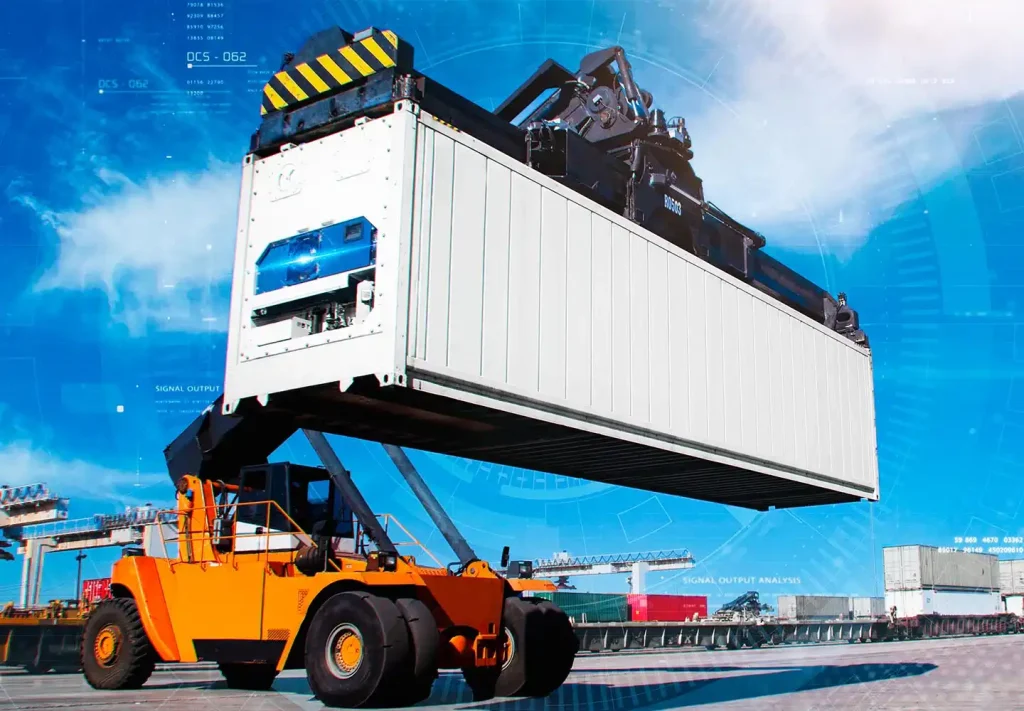
Benefits of Regular Servicing and Maintenance
- Prevention of sudden breakdowns: Early detection of problems prevents complete system failure.
- Extended operational lifespan: Proper maintenance can significantly increase the service life of the container.
- Reduced repair costs: Timely attention to minor faults prevents costly major repairs.
- Cargo quality preservation: Ensures that temperature-sensitive goods remain safe and unspoiled.
- Reliability in long-haul transport: Containers operate effectively without interruption throughout the journey.
- Improved energy efficiency: Well-maintained systems consume less power.
- Comprehensive maintenance records: Detailed logs of inspections and servicing provide a complete history of the container’s condition.
Conclusion
Maintaining and servicing reefer containers is not merely a preventive measure—it is a strategic necessity in the transportation industry. Properly maintained refrigerated containers ensure cargo integrity, reduce costs, and enhance operational efficiency. Implementing regular inspection and maintenance programs prevents unexpected breakdowns and provides cargo owners and transportation companies with full confidence in the safety and reliability of their shipments.